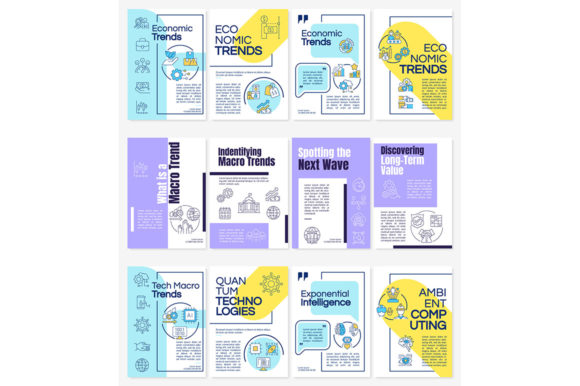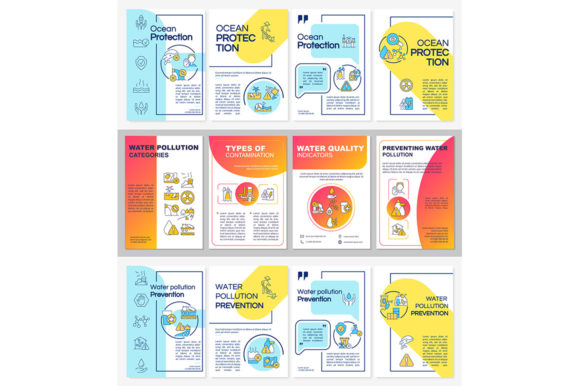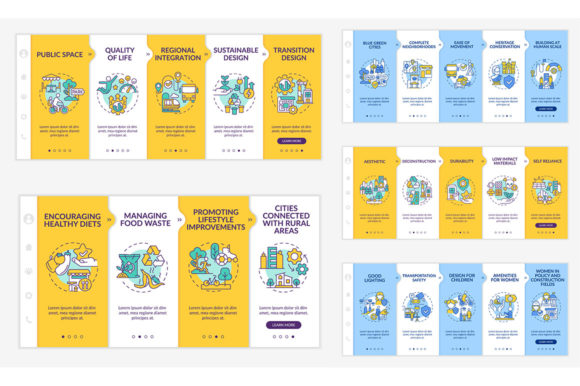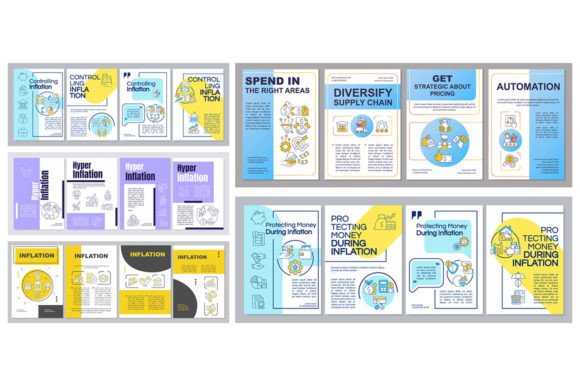
A Practical Resource for Visual Communication
In professional and creative work, the need for polished, effective visual communication is constant. Whether it's a congratulatory note to a colleague, a promotional postcard for a local event, or a decorative flyer for an internal announcement, having a set of ready-to-use, professionally designed assets can significantly streamline the process. This is the core value of a Graphic Designer Greeting Cards Set. Rather than starting from a blank canvas each time, such a set provides a foundation of vector designs, icon elements, and structured layouts that can be adapted to specific needs.
Core Components and File Format Considerations
The typical offering, as described, includes greeting cards, notecards, postcard designs, and decorative flyers, all integrated with a cohesive visual element like a color icon set. The inclusion of multiple product file formats—EPS, SVG, PNG, JPEG, and AI—is a critical practical strength. The vector formats (EPS, SVG, AI) allow for unlimited scaling and editing without loss of quality, essential for both print and digital adaptations. The raster formats (PNG, JPEG) provide immediate-use files for quick digital deployment.
For someone evaluating such a resource, the multi-format delivery addresses a common workflow hurdle: converting or recreating assets for different mediums. Having an AI file means the designs can be dissected and modified in Adobe Illustrator, a standard tool for many professionals. SVG files are invaluable for web integration or further editing in various vector software. This flexibility directly contributes to the set's long-term value, as the assets are not static images but editable building blocks.
Evaluating Real-World Application and Usability
How does a Graphic Designer Greeting Cards Set perform in actual use? Its primary strength lies in consistency and time efficiency. For a freelancer or small business owner managing their own marketing, using a unified set of illustrations and layouts ensures that their congratulatory messages, event announcements, or thank-you notes maintain a professional brand aesthetic. The creative illustrations and icon elements serve as a visual library, reducing the time spent sourcing or creating individual graphics.
A realistic example: an educator running a workshop might use the postcard vector design as a basis for a registration reminder, incorporating their specific details into the pre-structured layout. A blogger could use the decorative flyer design as a visually engaging header for a special announcement within their newsletter. The set moves the task from "design creation" to "content adaptation," which is often the more practical need for non-design specialists or busy professionals.
Audience Fit and Specific Beneficiaries
This type of resource is particularly well-suited for individuals and teams whose primary expertise lies outside of graphic design, but who nonetheless require quality visual outputs. This includes entrepreneurs, marketers, publishers, and educators. It also serves seasoned creatives like freelancers or designers in fast-paced environments who need reliable starting points for client work or internal communications to accelerate certain project phases.
The value is situational. For a one-off, highly bespoke campaign, a fully custom design might be necessary. But for recurring needs—regular client congratulations, monthly community updates, series of workshop promotions—a cohesive set provides a reliable template that maintains quality while freeing up resources for content strategy and execution. Serious hobbyists, such those organizing community events, also benefit from gaining access to professional-level designs without requiring professional-level software skills, thanks to the included PNG and JPEG files.
Quality and Integration in a Professional Workflow
The mention of "visual content" and "creative illustration" suggests a focus on aesthetic quality, but the practical user must assess how these integrate into their existing tools. The presence of vector files is a strong indicator of quality intended for professional use, as they allow for color changes, text edits, and compositional adjustments. This enables the asset to be truly customized, not just used as-is.
A potential limitation to consider is stylistic match. The pre-defined creative illustration style and color icon element set must align with the user's existing brand or personal aesthetic. Therefore, evaluating the visual samples before use is crucial. Its effectiveness hinges on this alignment. If the style fits, the set becomes a powerful extension of one's visual toolkit; if it doesn't, it may remain unused. This is why providers like BSD Studio, which offer new topics and discounts weekly, provide an advantage: a broader range of stylistic choices over time increases the chance of finding a suitable match.
Long-Term Value and Strategic Recommendations
Beyond immediate project use, a well-constructed Graphic Designer Greeting Cards Set holds long-term value as part of an organized asset library. As a professional's needs evolve, the editable vector components can be repurposed. An icon from the set might later be used in a brochure infographic; a layout structure might inspire a mobile app screen page. This cross-pollination of assets is a significant hidden benefit.
For those considering such resources, a practical recommendation is to start by identifying your most frequent visual communication tasks. If sending professional notes, announcing updates, or creating simple promotional materials are regular activities, then a dedicated set is justified. Subscribe to studios or platforms that update their offerings, as BSD Studio does, to stay informed about new styles and expansions that might better serve future projects. This transforms the purchase from a single product acquisition into a strategic approach to resourcing your visual content needs.
The objective takeaway is that these sets are not merely collections of images. They are workflow tools that trade absolute customization for efficiency, consistency, and professional baseline quality. Their worth is determined by the frequency of your need for such materials and the stylistic congruence with your existing visual language. For the right user, they remove a recurring creative bottleneck, allowing energy to focus on the message itself rather than the container it comes in.