Navigating Nutrition During Pregnancy: A Visual Guide to Your Prenatal Diet
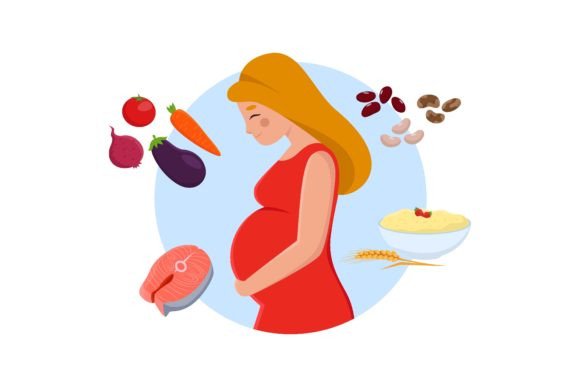
The journey of pregnancy is a transformative period, filled with excitement, anticipation, and significant changes—both physical and emotional. Among the most critical changes is the need for a mindful and nourishing pregnant diet. While the concept can seem overwhelming with endless lists of "do's and don'ts," visual aids like a pregnant diet flat vector illustration can demystify this vital topic. These clear, cartoon-style infographics, often depicting a cheerful pregnant woman alongside icons of key foods, serve as powerful educational tools. They break down the complex science of prenatal nutrition into an accessible, easy-to-understand format, directly supporting the health of both the mother and the growing baby.
The Purpose and Power of Visual Nutrition Guides
Why has this simple visual concept become so significant? Pregnancy nutrition is not merely about eating more; it's about eating intelligently. The body's requirements for specific vitamins, minerals, and macronutrients increase dramatically to support fetal development, placental health, and the mother's own wellbeing. For many, textual information can be dense and difficult to prioritize. An infographic leverages our innate ability to process visual information quickly. A well-designed pregnancy nutrition infographic isolates the core message on a clean background, stripping away confusion and highlighting actionable food groups. Its purpose is to educate, empower, and reduce anxiety by providing a tangible, at-a-glance reference that fits seamlessly into daily life.
Deconstructing the Typical Pregnancy Diet Illustration
Common elements in these illustrations offer a structured starting point for understanding. Typically, you'll see a cartoon woman, a universal and friendly representation, surrounded by stylized food items. These are not random; they are carefully selected icons representing core nutritional pillars.
- Leafy Greens & Colorful Vegetables: Icons like broccoli, spinach, and carrots symbolize folate, fiber, and a spectrum of vitamins crucial for development and preventing defects.
- Lean Proteins & Iron Sources: Images of eggs, fish, lean meats, and lentils point to the need for protein for tissue building and iron to prevent anemia and support oxygenation.
- Calcium-Rich Foods: Illustrations of milk, yogurt, and cheese highlight calcium and vitamin D, foundational for the baby's bone formation and the mother's skeletal health.
- Whole Grains & Energy Foods: Symbols of oats, whole-grain bread, and quinoa represent complex carbohydrates, providing sustained energy and essential B-vitamins.
- Healthy Fats: Avocado or nut icons often denote the importance of omega-3 fatty acids, vital for the baby's brain and eye development.
This visual categorization helps expectant mothers build a mental map of a balanced pregnancy plate, making meal planning a more intuitive process.
The Practical Relevance in Modern Daily Life
In today's fast-paced world, where information overload is common, these illustrations fit perfectly into modern routines. They can be printed and stuck on a refrigerator, saved as a smartphone wallpaper, or shared in prenatal clinic pamphlets and online communities. Their simplicity translates pregnancy nutrition concepts into practical, daily choices. For instance, when facing a busy workday, a quick glance at the graphic can remind someone to incorporate a handful of nuts (for healthy fats) into their afternoon snack or to choose a salad loaded with leafy greens at lunch. They bridge the gap between clinical advice and real-world application, making healthy eating a manageable goal rather than a complex chore.
Clarifying Common Misunderstandings
A significant benefit of these clear visuals is their ability to address and correct widespread myths. For example, the "eating for two" assumption is often misinterpreted as doubling calorie intake. A good infographic emphasizes quality over quantity, visually showing nutrient-dense foods rather than simply larger portions. Another common area of confusion is food safety. While an illustration might prominently feature fish (for omega-3s), it often pairs this with a subtle visual cue or note to choose low-mercury options like salmon, clarifying a critical detail. By presenting accurate, consolidated information, they help prevent misinformation that can cause unnecessary worry or unhealthy choices.
Building a Broader Understanding of Prenatal Health
While the illustration focuses on food, it implicitly teaches about broader baby health and maternal wellness. Each food icon is a proxy for a deeper physiological benefit. The calcium icon isn't just about milk; it's about building a strong skeletal system. The iron-rich food icon represents the development of a healthy circulatory system. This encourages a holistic view where diet is understood as the foundational fuel for the miraculous processes of pregnancy: cell division, organ formation, and the creation of life itself. This context transforms the diet from a list of rules into a meaningful, purposeful act of care.
Integrating the Diet into a Complete Pregnancy Lifestyle
Nutrition is one pillar of a healthy pregnancy. The engaging, positive imagery of these illustrations—a happy, healthy cartoon mother—also subtly promotes a mindset of overall wellbeing. It encourages readers to consider how their diet interacts with other key aspects:
- Hydration: Often complemented by water icons, stressing the importance of fluids for amniotic fluid volume and circulation.
- Supplementation: Some graphics include a prenatal vitamin icon, acknowledging that some needs (like folic acid) are best met through a combined approach of diet and supplements.
- Regular Prenatal Care: The visual guide serves as a conversation starter with healthcare providers, allowing for more informed discussions during check-ups.
- Mindful Eating Habits: The organized layout promotes planning and mindfulness, reducing reliance on processed or convenience foods.
From Illustration to Action: Creating Your Personalized Plan
The ultimate goal of any educational tool is application. Using the flat vector illustration as a blueprint, expectant mothers can build a personalized eating plan. Start by identifying the core food groups represented. Next, translate each icon into real, favorite foods. If the graphic shows "berries," you might choose blueberries or strawberries. Diversity is key; the illustration provides categories, not a rigid menu.
Remember, individual needs vary based on pre-existing health conditions, cultural dietary practices, and personal preferences. The infographic is a universal guide, but consultations with a doctor or nutritionist will tailor it to your specific journey, ensuring the food for baby health truly meets your unique requirements.
The Lasting Impact of a Nourished Pregnancy
Investing in a solid pregnant diet has implications that extend far beyond the nine months of gestation. Adequate nutrition lays the groundwork for the baby's long-term health, influencing everything from birth weight to future metabolic health. For the mother, it supports recovery postpartum and can establish lasting healthy eating habits. The simple, isolated clarity of a pregnancy diet infographic, therefore, is more than just a pretty picture. It is a tool of empowerment, a map for one of life's most important journeys, and a visual reminder that every mindful meal is a direct investment in the future health and happiness of both mother and child.
In an age where we seek clear, trustworthy information, these illustrations embody the principles of helpful content: they are expert-informed, experience-based, authoritatively presented, and genuinely trustworthy. By grounding the complex science of prenatal nutrition in a relatable, visual format, they make a healthy pregnancy an achievable and understandable goal for all.