The Role and Evolution of a Chef Logo in Culinary Branding
A chef logo serves as the primary graphic symbol for any business operating within the culinary sphere. Unlike generic logos, a chef logo specifically incorporates visual elements like hats, utensils, aprons, or food items to immediately communicate the nature of the business. Its fundamental role is to establish a visual identity that conveys professionalism, cuisine type, and brand character to potential customers before they read a single word.
Distinguishing Characteristics of a Chef Logo
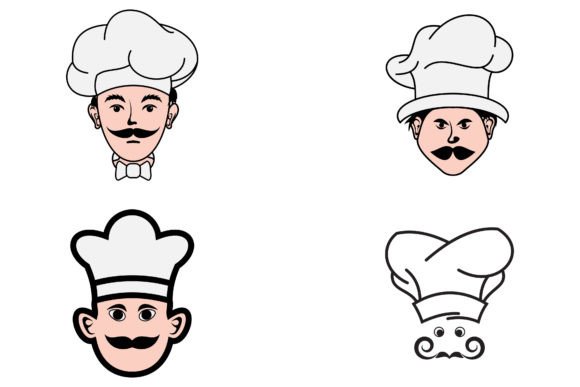
What makes a chef logo distinct from other food-related logos is its direct association with the person behind the food—the chef, baker, or culinary master. While a restaurant logo might focus on ambiance or a specific dish, a chef logo often centers on the human element of cooking. This can be achieved through a stylized silhouette, a cartoon character, or an emblem featuring a chef’s hat (a toque blanche) and face. The design frequently blends tools (like a whisk, knife, or spoon) with ingredients, creating a layered symbol that speaks to both skill and product.
For instance, a logo for a bakery might use a baker’s hat and a rolling pin, while a barbecue joint might integrate a chef figure with a grill and smoke. The use of vintage or retro styles can evoke tradition and trust, whereas a minimalist, modern vector design might appeal to a contemporary cafe or gourmet delivery service. The key distinction lies in its focus on the craft and the artisan, rather than just the end meal.
Core Design Styles and Their Implications
Design approaches for a chef logo vary significantly, each carrying different connotations for the brand.
- Illustrated Character Logos: These often feature a friendly, sometimes cartoonish, chef figure—perhaps with a smile, mustache, or apron. They are excellent for businesses aiming for a warm, approachable, and family-friendly feel, such as a diner, a kids’ cooking class, or a cupcake shop. A cute chef logo with a female baker can effectively target markets like bakeries or pastry stores emphasizing homemade goods.
- Badge or Emblem Logos: Circular or seal-like designs that incorporate chef elements within a framed boundary. This style, reminiscent of stamps or crests, projects authority, tradition, and quality. It is commonly seen in pizzerias, butchers, or professional catering services wanting to signal mastery and heritage.
- Silhouette and Line Art Logos: Using simple outlines of a chef’s hat, a profile, or utensils. This minimalist approach offers a clean, scalable, and versatile graphic ideal for modern bistros, coffee shops, or corporate catering companies where a sleek, professional identity is paramount.
- Combined Element Logos: These integrate text (logotype) with graphic symbols, perhaps weaving a fork into the lettering or placing a hat above the business name. They provide strong brand recall and are adaptable for menus, uniforms, and packaging.
Each style presents tradeoffs. A detailed illustration may not scale well for small social media icons, while a minimalist silhouette might lack the warmth needed for a family restaurant. The choice hinges on the business’s primary communication goals.
Comparison to Alternative Branding Symbols
When establishing a culinary brand, a chef logo is one path among several. Other common approaches include:
- Food-Icentric Logos: Focusing directly on a product image—a pizza slice, a steak, a cupcake. This is highly direct but may limit brand evolution if the menu changes.
- Ambiance or Location Logos: Using graphics that evoke a place, like a French bistro facade or a cozy coffee cup. These set expectations for the dining experience rather than the culinary expertise.
- Abstract or Typographic Logos: Relying solely on stylized text or a non-representative symbol. This can feel modern and sophisticated but may require more marketing effort to establish the culinary connection.
A chef logo sits between these options. It personalizes the brand by highlighting the skill involved, which can build trust and suggest a hands-on, quality approach. However, for a business whose main draw is a specific, unchanging product (like a famous burger or a particular dessert), a food-centric logo might be more immediately effective. Similarly, a high-end restaurant focusing on minimalist decor and an enigmatic brand might prefer an abstract design over a literal chef symbol.
Key Decision Factors for Selecting a Chef Logo
Choosing to invest in a chef logo depends on several practical considerations.
- Brand Personality: Is the core message about skilled craftsmanship, personal touch, and tradition? If yes, a chef logo aligns well. For a fast, automated, or product-focused service, it might be less fitting.
- Target Audience: A logo with a cute girl chef or mommy character might resonate strongly with home-style baking or meal delivery services targeting families. A more professional, badge-style logo suits corporate clients or gourmet audiences.
- Application Scope: Consider where the logo will be used: on uniforms, packaging, storefronts, websites, and small-scale items like business cards or labels. A complex, detailed illustration may lose impact when scaled down, whereas a clean vector design remains functional across mediums.
- Industry Segment: Fine dining establishments often use subtle, elegant chef motifs, perhaps just a hat integrated into typography. Casual eateries, bakeries, and cooking schools can embrace more playful, explicit character logos.
When a Chef Logo Is the Right Choice
A chef logo is particularly advantageous in scenarios where the human element of food preparation is a primary selling point. For example:
Personalized Food Businesses: A small bakery run by a named baker, a cooking class led by a known instructor, or a family restaurant where the chef’s story is part of the marketing. The logo acts as a stand-in for that person.
Service-Oriented Culinary Brands: Catering companies, private chef services, and meal delivery operations that emphasize professional, reliable service. A badge or emblem chef logo conveys competence and organization.
Businesses Emphasizing Craft: Artisan pizza shops, boutique butchers, or gourmet barbecue pits where the technique and the master’s touch are highlighted. A logo incorporating tools (spatula, knife) and a hat underscores this craft.
Limitations and Situations Requiring Alternatives
Despite its strengths, a chef logo may not be the optimal graphic solution in certain contexts.
If a business model is heavily product-based and scalable—like a national snack brand or a frozen food line—a logo centered on the product itself or a abstract brand mark might offer greater flexibility for future product expansion beyond the initial chef’s concept.
Similarly, for highly trendy or conceptual dining experiences (like a molecular gastronomy bar or a thematic pop-up), a chef logo could feel too traditional and literal, potentially constraining the avant-garde image the brand seeks to project.
Furthermore, in markets saturated with similar chef logos (common in some fast-casual segments), opting for a different visual approach—like a unique typographic treatment or an ambiance-focused icon—can help a new stand out more effectively against competitors.
Integration and Long-Term Brand Identity
A well-designed chef logo should function as the cornerstone of a cohesive brand identity system. It can extend into menu design, uniform patches, packaging labels, and marketing materials like flyers, banners, and websites. The elements within the logo—colors, chef figure, utensils—can be extracted to create patterns for backgrounds, social media graphics, or promotional seals.
For longevity, it’s wise to design a chef logo that is adaptable. A version with the full character for large posters, and a simplified emblem or hat silhouette for app icons and small stamps. This ensures the logo remains effective as the business grows and enters new mediums, from physical shop fronts to digital delivery platforms.
Ultimately, the decision to use a chef logo should stem from a clear alignment between the brand’s core story and the logo’s inherent message of culinary artistry and personal touch. By weighing its distinctive appeal against alternative symbolic paths, a business can select a graphic identity that not only identifies it but also authentically represents its values to the customers it aims to serve.